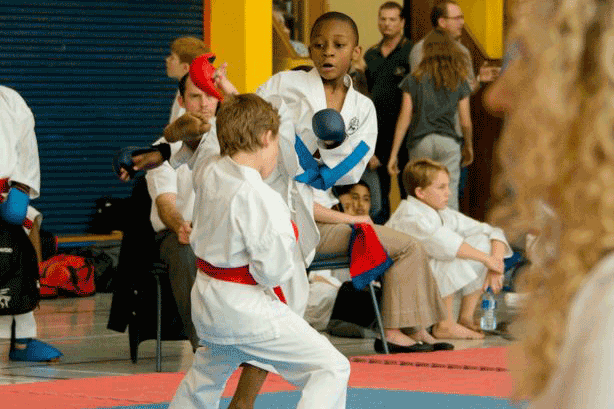
When children begin karate, the experience is often exciting. The uniform, the dojo environment, the new techniques, and the sense of learning something special can be incredibly motivating. In the beginning, many children feel enthusiastic and eager to participate.
However, as with any meaningful pursuit, there comes a moment when the novelty wears off and the true nature of training begins to emerge. Techniques must be repeated. Corrections are given. Progress takes time. Effort is required.
At this stage, many children say the same thing:
“I want to quit.”
For parents, this moment can feel uncomfortable. It is natural to want to protect children from frustration or disappointment. Allowing them to stop may seem like the kind and supportive option. Yet in many cases, quitting too early prevents children from discovering one of the most valuable lessons they can learn through karate: perseverance.
Years later, many karate students reflect on their journey and say something remarkable. They are grateful their parents did not allow them to quit when training became difficult.
The Early Challenges of Learning Karate
Karate is not designed to provide instant gratification. Unlike activities where results appear quickly, martial arts require patience, repetition and discipline.
Children quickly discover that learning karate involves:
- Practicing techniques repeatedly
- Listening carefully to instruction
- Accepting corrections from instructors
- Maintaining focus and discipline during class
- Pushing through physical tiredness
These experiences can feel challenging for children, particularly in the early stages of training. For many young students, it may be their first experience of structured discipline and sustained effort.
When progress feels slow or when they struggle with a technique, frustration can arise. This is often when children ask their parents if they can stop attending classes.
What many children do not yet understand is that this moment is a natural and necessary part of the learning process.
The Value of Working Through Difficulty
Every meaningful skill requires effort to develop. Whether learning an instrument, mastering a sport, or studying a subject at school, the path to improvement always includes moments of challenge.
Karate is particularly effective at teaching this lesson because it combines physical training with mental discipline. Students learn that progress comes through consistent practice and determination.
When children are encouraged to continue training through these early difficulties, they begin to experience an important shift. Techniques that once seemed impossible slowly become easier. Movements that felt awkward begin to feel natural. Confidence grows with every small improvement.
This process teaches children something powerful: effort leads to progress.
It is a lesson that extends far beyond the dojo.
Building Resilience and Confidence
One of the most important qualities children develop through karate is resilience.
Resilience is the ability to face challenges without giving up. It is the understanding that setbacks are not failures, but opportunities to learn and improve.
When children are allowed to quit the moment something becomes difficult, they may begin to associate challenge with avoidance. However, when they are supported and encouraged to continue, they discover that difficulties can be overcome.
Through karate training, children learn that:
- Improvement takes time
- Mistakes are part of learning
- Persistence leads to success
- Confidence grows through effort
Over time, this mindset begins to influence other areas of life. Children who develop resilience through martial arts often approach schoolwork, sports and personal challenges with greater determination.
They learn that temporary frustration does not define their ability.
Instead, it becomes part of the journey toward growth.
The Role of Parents in a Child’s Karate Journey
Parents play a crucial role in helping children navigate the early stages of karate training.
Encouragement does not mean placing pressure on a child to perform perfectly or demanding unrealistic results. Rather, it means helping them understand that feeling tired, challenged or frustrated is a normal part of learning.
Parents can support their children by reinforcing simple but powerful messages:
- “Everyone finds the beginning difficult.”
- “You are improving every time you practice.”
- “It’s okay to feel tired — that means you worked hard.”
- “You don’t have to be perfect. Just keep trying.”
These words help children develop a healthier perspective on effort and progress. Instead of fearing mistakes or discomfort, they begin to see these experiences as stepping stones toward improvement.
By guiding children through these moments, parents provide them with an invaluable life lesson: perseverance.
The Transformation That Happens Over Time
Something remarkable happens when children continue their karate journey beyond the stage where they once wanted to quit.
The same student who struggled with basic techniques begins to move with confidence. The child who once felt nervous in class starts helping newer students. Skills that once seemed impossible become second nature.
Perhaps most importantly, children begin to feel proud of what they have achieved.
This sense of accomplishment cannot be given to them. It must be earned through effort, patience and persistence.
Karate provides a structured path where children can experience this transformation step by step.
Each new belt earned, each kata learned and each competition entered becomes evidence that dedication produces results.
Gratitude That Comes Later
When students eventually reach advanced levels of training, many reflect on the early days when they wanted to give up.
They remember feeling tired or discouraged. They remember thinking that karate was too difficult.
But they also remember the encouragement they received from their parents.
And often, they say something simple but meaningful:
“Thank you for not letting me quit.”
What once felt like a challenge becomes a source of pride. The lessons learned through perseverance shape their character and influence how they approach obstacles throughout life.
This is one of the most powerful outcomes of martial arts training.
Karate does not simply teach students how to punch or kick. It teaches them how to face challenges with determination and confidence.
A Gift That Lasts a Lifetime
Parents naturally want to support their children’s happiness. Yet sometimes the most meaningful support comes from helping children push through moments of difficulty rather than avoiding them.
Encouraging a child to continue karate training when they feel like quitting is not about forcing participation. It is about helping them discover their own strength and potential.
The lessons learned through this process stay with them for years.
Resilience.
Discipline.
Confidence.
Perseverance.
These qualities extend far beyond the dojo floor and become valuable tools for navigating life’s challenges.
For many children who stay the course, karate becomes more than an activity. It becomes a journey of personal growth.
And years later, when they reflect on that journey, they often recognise something important.
The moment they wanted to quit was not the end of the story.
It was the beginning of discovering what they were truly capable of achieving.