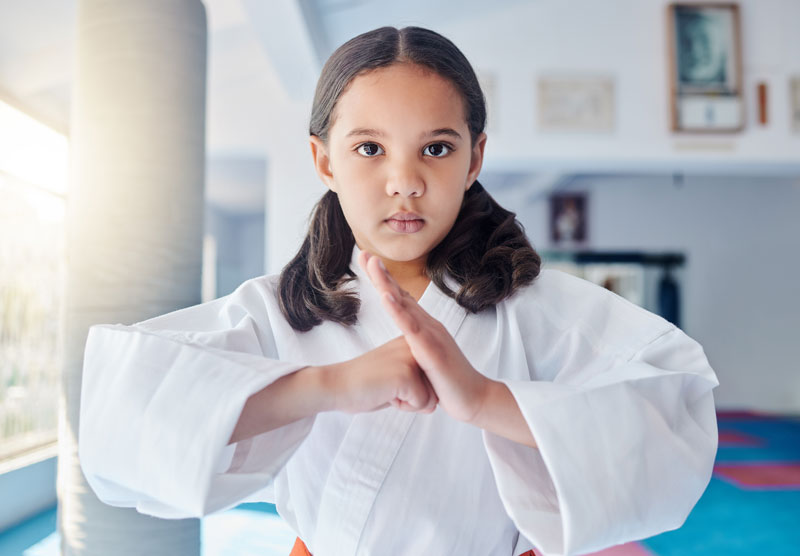
Have you ever found yourself wondering what the best age to start karate is? Parents often ask this question when considering extra-mural activities for their children. While there’s no single “perfect” answer, many experts agree that starting as early as 4 years old can set a child up for a lifetime of physical, mental, and emotional benefits.
Karate for kids has been taught for decades and continues to grow in popularity—not only as a self-defence skill but also as a foundation for character development. Far more than kicking and punching, karate shapes confident, respectful, and focused young individuals.
In this article, we’ll explore why karate is such an essential activity for children, the benefits it brings at various stages of childhood, and how parents can choose the right time and program for their child’s unique needs.
Why Start Karate Young?
The early years of a child’s life are an important time for growth and development. Between the ages of 4 and 7, children are learning how to coordinate their bodies, follow instructions, and interact with peers. These skills form the foundation for later success in school, sports, and social environments.
Karate offers an ideal combination of structured physical activity and values-based learning during this time. Young children thrive in an environment where they understand what’s expected of them and can see measurable progress—whether that’s mastering a stance, learning a kata, or earning a new belt.
The Benefits of Karate for Children
Parents today face a constant challenge: finding activities that are both enjoyable and educational for their children. Karate stands out because it offers benefits that extend far beyond the dojo.
- Improved Coordination and Motor Skills
Karate movements develop balance, agility, and body control. Even at the beginner level, stances, blocks, and strikes encourage children to be aware of their posture and movement. Studies have shown that children who participate in karate often demonstrate improved motor skills compared to peers who do not engage in structured physical training.
- Enhanced Cognitive Function
Karate isn’t just physical—it’s mental. Learning sequences of moves, remembering patterns, and focusing on precise execution all engage a child’s brain in ways that improve memory, concentration, and problem-solving skills.
- Discipline and Respect
From the very first class, children are taught to bow to their instructor, listen attentively, and respect their peers. This environment naturally reinforces good manners, patience, and the ability to follow directions—skills that are invaluable in school and life.
- Confidence and Self-Esteem
Karate gives children the confidence to stand tall, speak up, and handle challenges with a “I can do this” attitude. Each belt earned represents commitment, effort, and achievement, helping children believe in their own abilities.
- Goal-Setting and Perseverance
Earning a new belt in karate isn’t about luck—it’s about working towards a clear goal through consistent practice. This process teaches children the value of perseverance and the satisfaction of accomplishing something through their own hard work.
Starting at Different Ages: What to Expect
While many children begin karate around the age of 4, there’s no cut-off age for starting. The key is to find a program that’s tailored to their developmental stage.
Ages 4–6: Early Foundations
At this stage, classes are short, engaging, and filled with activities that build basic motor skills. The focus is on simple stances, basic strikes, and fun drills that teach balance, coordination, and listening skills. Instructions are broken into manageable steps, and games are often used to reinforce skills.
Benefits at this age:
- Learning to follow instructions
- Developing social skills through interaction with peers
- Building a foundation for physical fitness
Ages 7–10: Growing Skills and Focus
As children get older, they are capable of handling more complex instructions. Classes introduce more structured training, and children begin learning katas (formal patterns of movements), sparring basics, and self-defence techniques.
Benefits at this age:
- Improved focus and self-control
- A stronger understanding of discipline and respect
- Development of both physical and mental resilience
Ages 11–13: Preparing for Advanced Challenges
Older children who start or continue karate at this age often take on leadership roles in class, help younger students, and begin working towards higher belt levels. They also develop a deeper understanding of the philosophy and history behind karate.
Benefits at this age:
- Leadership development
- Increased confidence in social and academic settings
- The ability to set and achieve long-term goals
Choosing the Right Karate Program for Your Child
While age is an important consideration, finding the right program is equally crucial. Here’s what to look for when choosing a karate school:
- Age-Specific Classes – Ensure the school offers classes designed specifically for your child’s age group. This ensures the training matches their physical and cognitive abilities.
- Qualified Instructors – Look for instructors who are not only skilled in karate but also experienced in working with children. The right instructor will know how to make learning fun while reinforcing discipline and respect.
- Balanced Curriculum – A good children’s karate program will focus on more than just physical techniques. It should also teach life skills such as confidence, perseverance, and responsibility.
- Positive Environment – The dojo should be a safe, supportive space where children are encouraged to grow at their own pace.
Overcoming Common Parental Concerns
Some parents worry that starting karate too young might overwhelm their child, or that the techniques could encourage aggression. In reality, a well-run karate program has the opposite effect.
Karate teaches self-control and respect for others, and students quickly learn that physical skills are to be used only in self-defence. Far from making children aggressive, karate tends to produce calm, confident, and considerate individuals.
Why Karate is an Essential Extra-Mural Activity
In today’s digital age, where children are spending more time on screens and less time in active play, karate offers a much-needed balance. It combines physical activity, mental stimulation, and social interaction in a way that few other activities can match.
Unlike many sports, karate is an individual journey. There’s no “bench” and no waiting to be picked for a team—every child participates fully in every class. Progress is measured against personal goals, allowing children to experience success at their own pace.
The Bottom Line: Is There a Perfect Age?
There’s no single perfect age to start karate. Many children thrive when they begin at 4 or 5, while others start later and still enjoy all the benefits. What matters most is finding a program that understands children’s developmental needs and encourages them to grow physically, mentally, and emotionally.
At our dojo, we offer children’s classes for all ages, with programs designed to meet them where they are. Whether your child is taking their first step onto the mat or aiming for their next belt, karate can provide them with skills and values that last a lifetime.
If you’ve been considering karate for your child, we invite you to visit us, watch a class, and see the benefits for yourself. Karate is more than just an activity—it’s a pathway to building a strong, confident, and disciplined young individual.
For more information on our Kids Junior Classes on Tuesdays and Thursdays from 15:00 to 16:00 please contact us on: 083 601 3464 or email russell@russellsimkarate.co.za
Visit www.gojukaistandrews.com/martial-arts-classes for more information about our clases.